

extendable makeup mirror with light
Understanding Metal Marking Gauges A Key Tool for Precision in Metalworking In the realm of metalworking, precision is paramount. One of the essential tools that facilitate precision in marking and measuring is the metal marking gauge. This tool plays a crucial role in a wide array of applications, from metal fabrication to woodworking, setting the stage for accurate cuts and joints. In this article, we will delve into what a metal marking gauge is, its components, various types, and its essential applications in the industry. What is a Metal Marking Gauge? A metal marking gauge is a specialized tool designed for marking precise lines on metal surfaces. Unlike a conventional ruler or tape measure, a marking gauge allows for an accurate establishment of a reference line from the edge of the material. This ensures that cuts or drill holes are made with pinpoint accuracy, ultimately leading to higher quality work and reduced waste. Components of a Metal Marking Gauge A typical metal marking gauge consists of several key components 1. Beam The beam is the main body of the gauge and is often made of durable materials like steel or aluminum. It provides a straight edge for guiding the marking process. 2. Sliding Arm The sliding arm is adjustable and allows for setting the desired distance from the edge of the material. It can be locked in place to maintain precision during use. 3. Scribe or Marking Tip The tip of the gauge is typically sharp, allowing for clear markings on the metal surface. The marking tip can sometimes be replaced or adjusted for different marking needs. 4. Base The base stabilizes the tool against the workpiece and ensures that the marking is consistent across multiple measurements. Types of Metal Marking Gauges Metal marking gauges come in various forms suited for different applications metal marking gauge 1. Single Marking Gauge A basic type of gauge that allows for marking a straight line along a single edge. It is typically used for simpler projects. 2. Dual Marking Gauge This type features two scribing points, allowing for the marking of two parallel lines in one pass. It is particularly useful for establishing joint lines or for ensuring uniform spacing. 3. Digital Marking Gauge Advanced models incorporate digital readouts that provide measurement accuracy and ease of use. These gauges often include features like preset distance settings and memory functions. 4. Router Marking Gauges Designed specifically for routing applications, these gauges help create accurate lines for router bit setups, improving the precision of cuts. Applications in the Industry The metal marking gauge is indispensable in various industries, including 1. Metal Fabrication In fabrication shops, marking gauges are vital for ensuring accurate cuts and joints. They help in layout work for welding or assembly, reducing errors that could lead to material wastage. 2. Machining In machining applications, precise measurements are crucial for producing parts that fit together well. A metal marking gauge allows machinists to lay out dimensions clearly before cutting. 3. Woodworking Though primarily associated with metalworking, marking gauges are also popular among woodworkers. They assist in marking grain lines or joinery, contributing to the overall quality of wooden projects. 4. Jewelry Making Artisans creating intricate designs on metal often use marking gauges to achieve the fine details required for high-quality pieces. Conclusion In conclusion, the metal marking gauge is an essential tool in the toolkit of any metalworker or craftsman. Its ability to provide consistent, precise markings on metal and other materials ensures a high level of workmanship that is vital for professional results. Whether you are a hobbyist or a seasoned professional, understanding how to effectively use a metal marking gauge can significantly enhance the quality and accuracy of your projects. As technology continues to advance, the evolution of metal marking gauges promises even greater precision and ease of use, making them indispensable in an increasingly demanding industry.
about
extendable makeup mirror with light
Understanding Precision Frame Level in Data Analysis In the realm of data analysis, precision is a critical concept that significantly influences the quality of insights derived from datasets. Among various analytical frameworks, precision frame level has emerged as a vital measure for determining accuracy and reliability in data-driven decisions. This article delves into the intricacies of precision frame level, highlighting its importance, applications, and implications in contemporary data analysis. Defining Precision Frame Level At its core, precision frame level refers to the accuracy of a set of data points within a specific frame or context. It reflects how closely a given dataset approximates the true values of the parameters being measured. This level of precision is crucial for analysts who rely on data to make informed decisions, as it directly impacts the credibility of the results obtained. In a statistical sense, precision can be quantified using various metrics, including confidence intervals, p-values, and standard deviations, each providing insight into the robustness of the data. Importance of Precision in Data Analysis Precision is fundamental for two main reasons reliability and trust. Firstly, data-driven decisions are often premised on the assumption that the information being analyzed is accurate. High precision ensures that analysts can rely on the data, leading to more sound conclusions. For example, in fields such as healthcare, financial forecasting, or machine learning, even minor discrepancies can result in significant consequences, such as misdiagnoses or erroneous financial predictions. Secondly, the level of precision affecting stakeholder trust cannot be overstated. When organizations present findings based on imprecise data, they risk losing credibility. This is particularly critical in industries like pharmaceuticals, where the efficacy of a drug must be supported by precise data to gain regulatory approval. Applications of Precision Frame Level precision frame level Precision frame level is applicable across numerous fields, including social sciences, engineering, and marketing. In social sciences, researchers employing surveys must focus on refining their questions to ensure high precision in the responses collected, thereby guaranteeing that the analysis closely mirrors public sentiment or behavior. In engineering, precision frame level becomes vital when designing systems that require exact measurements, such as aerospace components or medical devices. The reliability of these systems hinges on the precision of their design data. In the marketing domain, companies increasingly depend on consumer data analytics to tailor their strategies. By ensuring high precision in their data collection and analysis processes, they can create more effective and targeted marketing campaigns, ultimately enhancing consumer engagement and satisfaction. Challenges to Achieving High Precision Despite its importance, achieving high precision frame levels is not without challenges. Sampling errors, biases in data collection, and computational limitations can all undermine the precision of data. Moreover, the more complex the data, the harder it becomes to maintain a high level of precision. This necessitates a multi-faceted approach to data management that includes careful study design, robust statistical methods, and continual data validation. Conclusion In summary, precision frame level is a pivotal measure in data analysis that dictates the reliability of insights derived from datasets. By understanding its significance and striving for precision, analysts can enhance the quality of their findings, boost stakeholder confidence, and drive informed decision-making. As the volume of data continues to grow, so too does the importance of precision, making it a cornerstone of effective data analysis practices. Emphasizing accuracy and reliability will shape the future of data-driven decision-making in a world increasingly reliant on precise information.
-

High quality industrial productsagement

High quality industrial products
View Details -

Meet the diverse needs of customers

Meet the diverse needs of customers
View Details -

Strict quality control

Strict quality control
View Details -

Top raw materials

Top raw materials
View Details -

Trusted supplier

Trusted supplier
View Details
Our application

news and information
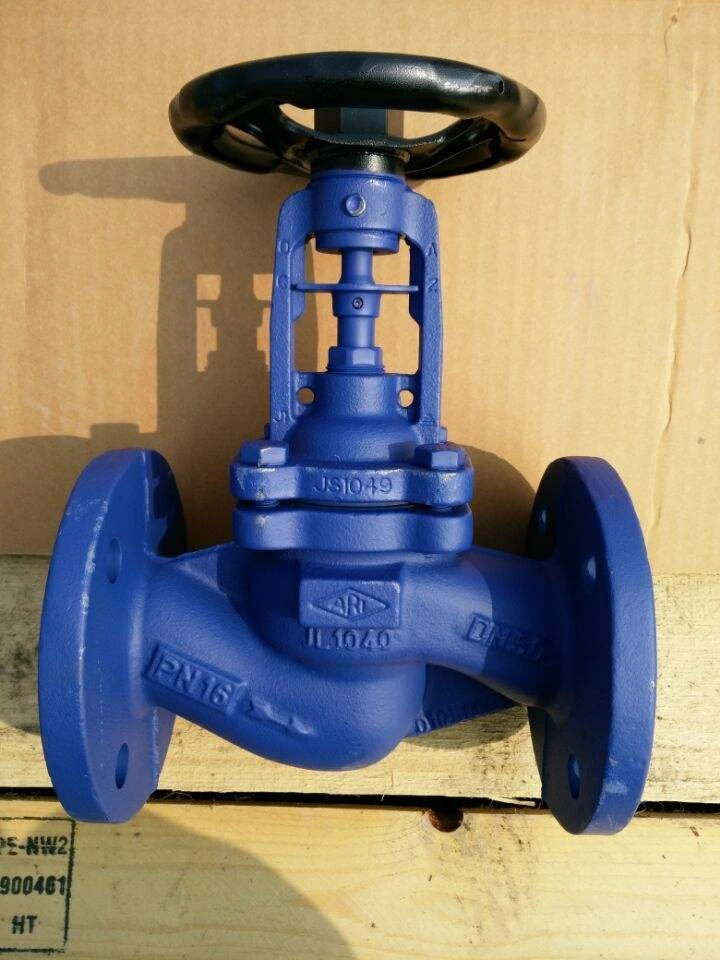
Vendita di gauge a spina di alta qualità disponibile online
Misuratori a Pugno in Vendita La Scelta Ideale per Ogni Professionista I misuratori a pugno, noti an
Welding Workbench vs. Standard Workbench_ Key Differences
When it comes to workshop equipment, the choice between a welding workbench and a standard workbench

Versatile Welding Table for Modular Fabrication and Assembly Projects
The Modular Welding Table Enhancing Efficiency in Metal Fabrication Welding is a critical process in
 English